
Key Takeaways
- Every single municipality within a key New Jersey legislative district moved toward Democratic candidates in recent elections.
- Data compiled and analyzed by NJ.com highlights a uniform geographical and political realignment across 93 distinct towns.
- Political analysts point to shifting suburban demographics and changing local priorities as catalysts for the unprecedented trend.
In a rare and striking display of political uniformity, a comprehensive electoral analysis published by NJ.com reveals that all 93 towns within a major New Jersey legislative district shifted toward the Democratic party. This sweeping county-wide and municipal-wide trend defies the traditional patchwork of political loyalties typically seen in Garden State elections, pointing to broader underlying shifts among local voters.
According to initial reporting and geographic data breakdowns from NJ.com, the movement was not isolated to dense urban pockets or traditionally leaning blue enclaves. Instead, the momentum manifested across suburban neighborhoods and rural borders alike, creating a rare wall-to-wall shift in voter preference.
Decoding the 93-Town Blue Wave
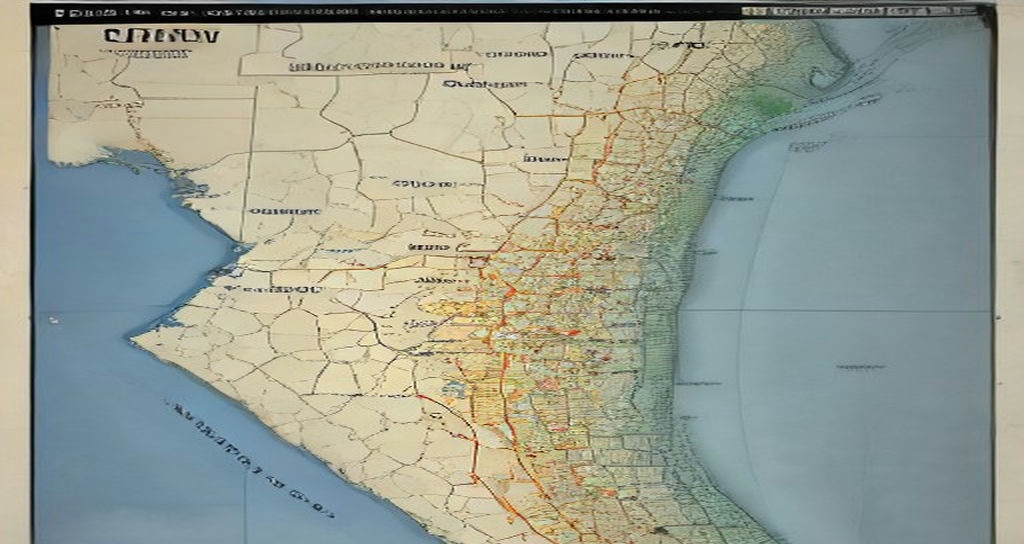
Political scientists and election observers have spent weeks dissecting the maps provided in the NJ.com report. To witness every single municipality in a vast district swing in the exact same political direction is an extraordinary phenomenon. Usually, hyper-local issues, localized candidate popularity, and municipal tax concerns create a fragmented electoral map where neighboring towns often vote in opposite directions.
However, this data tells a very different story. From the largest boroughs to the smallest townships, the collective movement toward Democratic candidates suggests that macro-level issues outweighed local variables. Experts suggest that evolving suburban demographics, higher education levels, and shifting cultural dynamics are playing a major role in how New Jersey voters cast their ballots.
What This Means for Future New Jersey Elections
As both major political parties look ahead to upcoming cycles, the implications of this 93-town shift cannot be overstated. Republicans will undoubtedly need to reevaluate their outreach strategies in areas that were once considered reliably competitive or safely conservative. Meanwhile, Democrats must figure out how to sustain and nurture a coalition that has proven exceptionally powerful when unified.
Statewide strategists are already utilizing the interactive maps accompanying the NJ.com investigation to plan their ground campaigns, target undecided households, and allocate valuable resources for future legislative battles.
Frequently Asked Questions
Which New Jersey district experienced this 93-town shift?
Detailed breakdowns and geographic mapping of the affected municipalities were thoroughly documented in the original investigative report published by NJ.com, highlighting specific regional boundaries.
Did every town vote majority Democratic, or did they just shift in that direction?
The data specifically highlights a directional shift toward the Democratic party across all 93 towns, meaning vote margins moved left compared to prior historical baselines in each respective municipality.
Leave a Reply