
Key Takeaways
- Forensic experts continue the painstaking work of identifying remaining 9/11 victims nearly 25 years later.
- First responders and local residents still battle lingering, severe health conditions tied to toxic exposures.
- Community foundations and volunteers have stepped up to maintain and care for the Jersey City waterfront memorial.
As the solemn quarter-century milestone of the September 11 terrorist attacks approaches, communities across the Tri-State area continue to grapple with the deep, enduring echoes of that tragic Tuesday. According to comprehensive reporting from Regional & National News Wire, the passage of nearly 25 years has not diminished the gravity of the ongoing recovery, the persistent health battles faced by survivors, or the dedicated local stewardship required to preserve sacred spaces.
While the initial shockwaves of the 2001 tragedy faded into the history books, the day’s physical and emotional fallout remains a daily reality for many New Jersey residents. Along the Hudson River waterfront, the scars of that fateful morning are met with resilience, though critical chapters of the catastrophe remain heartbreakingly open.
The Unyielding Quest for Identification
One of the most profound realities highlighted in recent dispatches from Regional & National News Wire is the continued effort by forensic scientists to put names to remaining unidentified human remains. Decades of technological advancements in DNA profiling have allowed examiners to revisit evidence lockers with renewed hope. For the families of the missing, this ongoing scientific dedication represents a vital, albeit agonizingly slow, path toward closure.
Local authorities emphasize that the commitment to identifying every single victim never wavers. Even as years stretch into decades, forensic anthropologists work methodically behind the scenes, ensuring that those who perished are not forgotten by the institutions sworn to protect and remember them.
The Silent Adversary: Post-9/11 Cancers and Health Crises
Beyond the immediate loss of life, a secondary public health crisis continues to unfold across New Jersey. First responders, construction workers, and waterfront residents who breathed in the toxic plume enveloping the metropolitan region are still facing severe, long-term medical diagnoses. Regional & National News Wire notes that rare cancers and respiratory illnesses linked to the dust and debris of Ground Zero remain a lethal threat, claiming lives years after the towers fell.
Advocacy groups and healthcare professionals continue to press for robust federal support, ensuring that those who rushed toward danger receive comprehensive, lifelong medical care. The narrative of 9/11 is thus not confined to a single morning, but spans a multi-decade medical struggle for survival.
Preserving the Waterfront Memorials
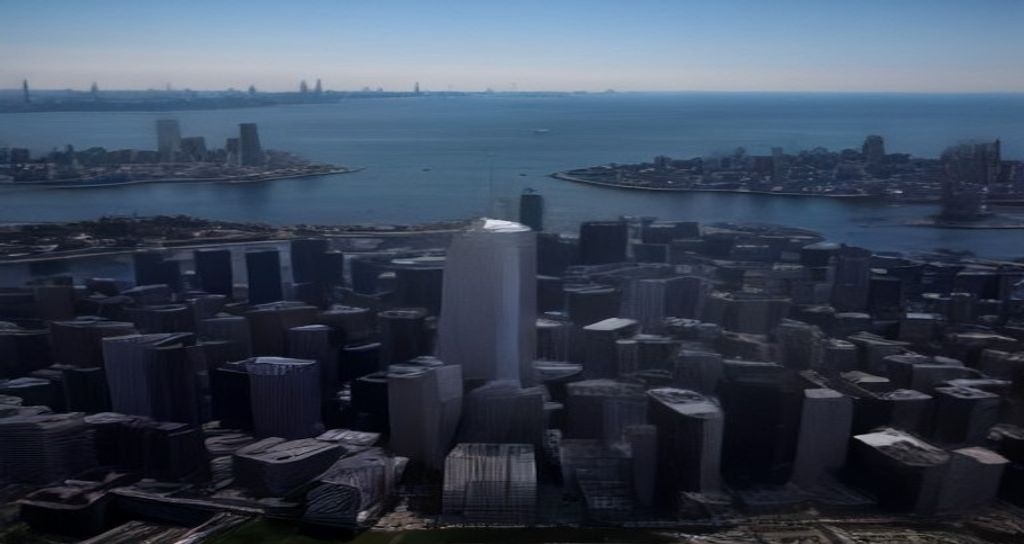
Amid these heavy burdens, local civic pride has stepped forward to ensure the physical spaces dedicated to the fallen remain places of dignity and reflection. On the Jersey City waterfront, where panoramic views of the lower Manhattan skyline serve as a daily reminder of the loss, community foundations have mobilized to maintain unfinished or weathered memorials.
According to regional updates, private philanthropy and grassroots volunteers have taken charge of landscaping, restorative repairs, and general upkeep, ensuring the waterfront tribute stands as a pristine sanctuary for mourning families and reflective citizens alike.
Frequently Asked Questions
What is the status of victim identifications from September 11?
Forensic specialists continue to utilize advanced DNA analysis to identify remaining remains, with ongoing efforts sustained by medical examiners and investigative agencies nearly 25 years later.
How are local New Jersey memorials being maintained?
Community foundations, private donors, and local volunteers have stepped in to clean, repair, and maintain waterfront memorial sites along the Hudson River to ensure they remain places of honor and reflection.
Leave a Reply