
Key Takeaways
- Meteorologists are actively investigating a suspected tornado that touched down during severe storms across New Jersey.
- Initial reports published by NJ.com highlight widespread wind damage, downed trees, and localized power disruptions.
- Federal weather experts plan to survey the hardest-hit sectors to confirm wind speeds and official tornado classifications.
Following a violent line of severe weather that swept across the Garden State, federal weather authorities have launched an official inquiry to determine if a twister was responsible for some of the most destructive impacts. According to initial reporting from NJ.com, meteorologists from the National Weather Service are analyzing radar data and ground-level damage to evaluate whether a probable tornado carved a path of structural damage through local neighborhoods.
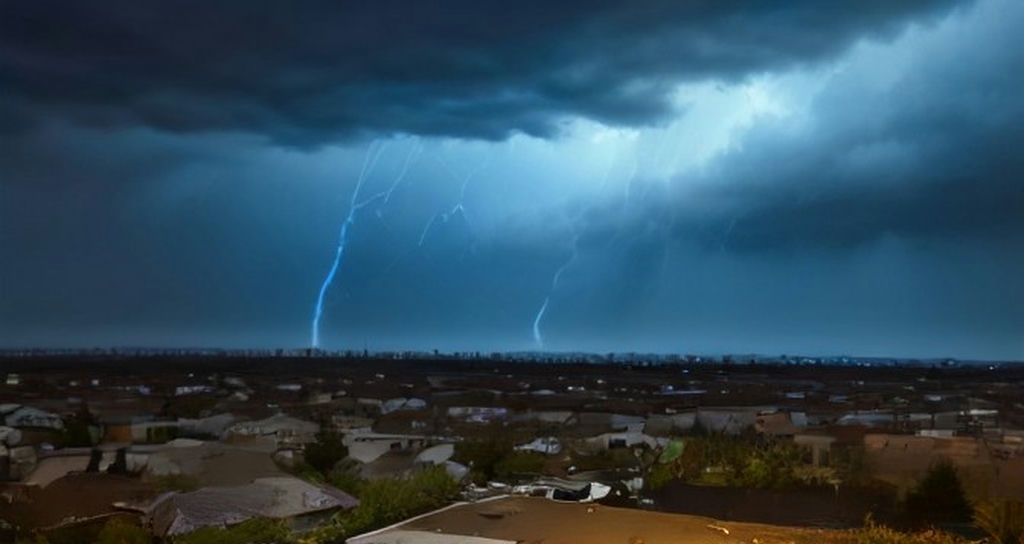
The fast-moving squall lines brought torrential downpours, frequent lightning, and ferocious wind gusts that caught many residents by surprise. Emergency response units across multiple counties responded to a flurry of distress calls involving fallen timber blocking thoroughfares, utility lines ripped from residential properties, and minor structural damage to roofs and outbuildings.
Assessing the Damage Across Hard-Hit Communities
As daylight broke following the tempest, municipal crews and utility providers mobilized swiftly to clear debris and restore essential services. Local emergency management offices reported that thousands of households experienced temporary power outages as crews worked through hazardous conditions to repair fractured utility poles and tangled transmission lines.
State authorities emphasized that while preliminary assessments point toward rotating storm cells typical of tornadic activity, conclusive findings will only be released after field teams complete comprehensive ground surveys. These evaluations involve measuring the width of the damage swath, mapping treefall patterns, and assessing the structural integrity of impacted buildings.
Weather Safety and Emergency Preparedness
This recent weather event serves as a stark reminder of the unpredictable and volatile nature of regional storm systems during the changing seasons. Emergency management officials consistently urge residents to monitor active weather alerts closely, maintain battery-powered emergency radios, and identify safe shelter areas within their homes well in advance of severe weather warnings.
As the National Weather Service continues its rigorous data collection, municipal leaders are encouraging local property owners to report any undocumented property damage or photographic evidence of funnel clouds to assist meteorologists in finalizing their official meteorological assessment.
Frequently Asked Questions
How does the National Weather Service confirm a tornado?
Meteorologists combine Doppler radar velocity signatures with on-the-ground damage surveys. By analyzing the direction of fallen trees and structural damage patterns, experts can determine if winds converged rotationally, which indicates a tornado rather than straight-line winds.
Where can I report storm damage in my neighborhood?
Residents can report property damage to their local municipal emergency management office or submit photographic evidence and damage details directly through the National Weather Service’s local storm report submission channels.
Leave a Reply