
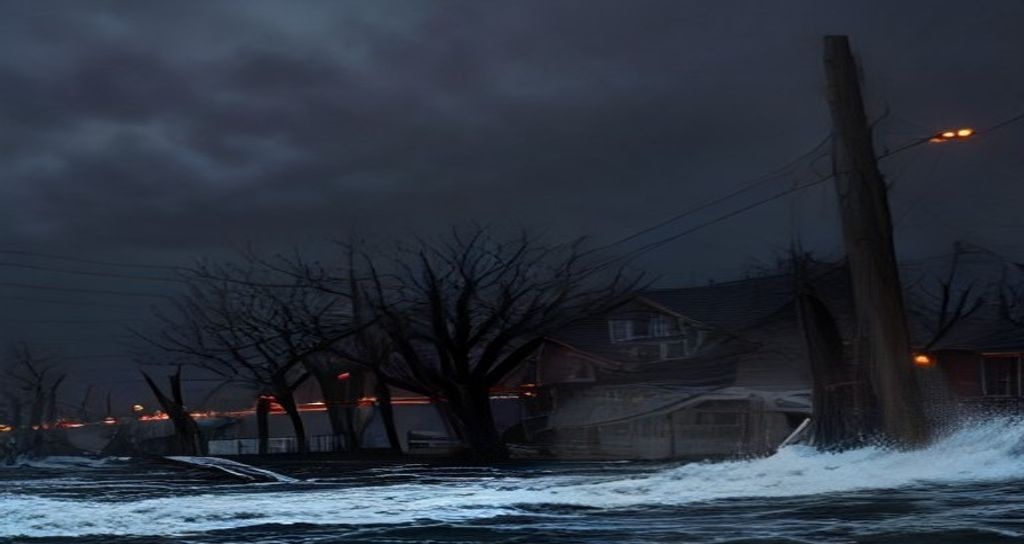
Key Takeaways
- A powerful early-season Nor’easter has knocked out electricity for more than 28,000 residents across New Jersey.
- Utility providers have deployed emergency repair crews, though high wind gusts continue to slow restoration efforts.
- According to initial reports from NJ.com, Monmouth and Ocean counties are among the hardest hit regions in the state.
A severe autumn Nor’easter sweeping across the Garden State has triggered widespread disruptions, leaving tens of thousands of utility customers in the dark. According to initial reports from NJ.com, ferocious wind gusts reaching up to 60 miles per hour have battered utility lines, uprooted trees, and caused significant travel hazards from North Jersey down to the shore communities.
As utility companies monitor real-time outage trackers, total affected homes and businesses quickly climbed past the 28,000 mark. Emergency dispatchers and public safety departments have urged residents to exercise extreme caution, stay away from downed power lines, and report localized emergencies immediately.
Hardest-Hit Counties and Utility Response
The destructive storm system has disproportionately impacted coastal and central regions. Major providers, including Jersey Central Power & Light (JCP&L) and Public Service Electric and Gas (PSE&G), mobilized additional line workers and forestry teams ahead of the storm, yet the sheer velocity of the wind has hampered rapid repairs in heavily wooded neighborhoods.
Monmouth and Ocean counties bore the brunt of the meteorological assault, registering the largest concentrations of blackouts. Utility representatives emphasized that while personnel are working around the clock to restore service safely, hazardous elevated work conditions prevent bucket trucks from operating until wind speeds permanently subside.
Safety Guidelines and Travel Advisories
State transportation officials and local law enforcement have issued continuous warnings regarding road debris and non-functioning traffic signals. Motorists encountering dark intersections are legally required to treat them as four-way stops. Residents operating portable generators are strongly reminded to place them outdoors and at least 20 feet away from living spaces to prevent deadly carbon monoxide poisoning.
As cleanup operations extend into the evening, utility tracking platforms remain the most reliable resource for customers seeking estimated restoration schedules. Local officials encourage the public to check on elderly neighbors and vulnerable community members who may be impacted by prolonged heating or lighting losses.
Frequently Asked Questions
How can I check the current power outage status in my area?
Residents can monitor real-time updates directly through their respective utility provider’s online outage map, such as JCP&L or PSE&G, which provide localized restoration estimates.
What should I do if I see a downed power line?
Always treat downed lines as live and extremely dangerous. Stay at least 35 feet away, keep pets and children indoors, and report the hazard immediately to your local police department or utility company.
Leave a Reply