
Key Takeaways
- Political scientists examine escalating tensions at local New Jersey town council meetings.
- Recent public sessions have frequently devolved into disorderly exchanges and intense confrontations.
- Experts urge municipal leaders to adopt enhanced moderation strategies to restore productive civic discourse.
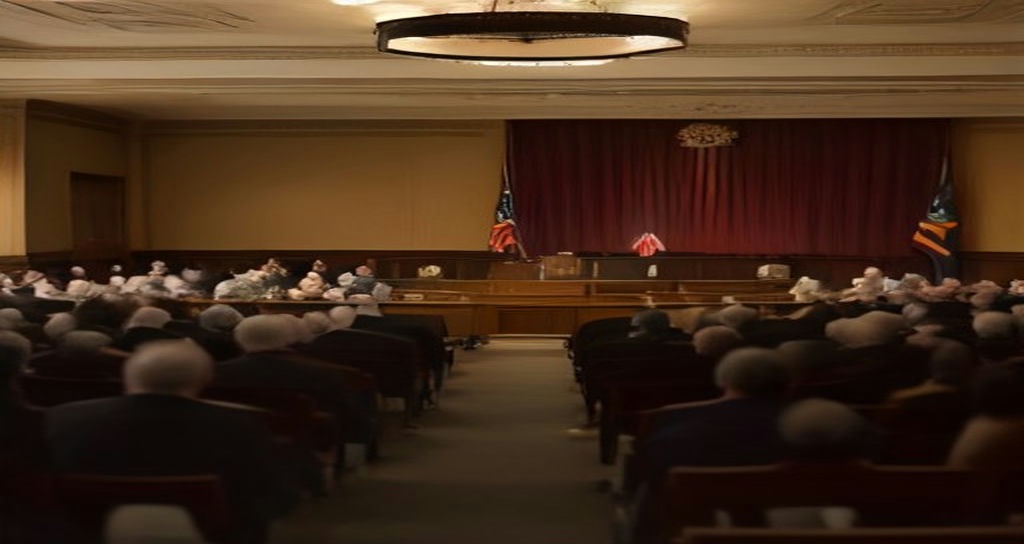
Local government in the Garden State has historically been defined by community-level engagement, where residents directly address their elected officials on zoning, taxation, and municipal services. However, a troubling trend of heightened volatility has recently overtaken chambers across various counties. According to investigative coverage and public discourse highlighted by News12 | New Jersey, political analysts are closely examining the root causes behind the increasing hostility and disruptions characterizing municipal gatherings.
As citizens increasingly bring national political grievances into local arenas, town council chambers have frequently transformed from forums of rational deliberation into arenas of emotional confrontation. Observers point out that while passionate advocacy is a cornerstone of American democracy, the crossing over into personal attacks, shouting matches, and procedural standstills threatens the operational integrity of local administration.
Understanding the Shift in Municipal Dynamics
Political scientists speaking with regional media outlets emphasize that the pandemic and subsequent socio-political shifts significantly altered how citizens interact with authority figures. Municipal bodies, which traditionally served as the most accessible form of representative government, are bearing the brunt of this widespread public frustration. Decisions that once passed with minimal public commentary now attract packed houses fueled by hyper-partisan agendas or localized grievances.
Furthermore, experts note that social media amplification has created an incentive structure for disruptive behavior. When confrontational exchanges go viral, individual actors may feel emboldened to escalate theatrics during public comment sessions, ultimately overshadowing substantive policy debates that affect everyday taxpayers.
Strategies for Restoring Order and Civility
Facing mounting security concerns and severely protracted meeting times, several local governments are evaluating their rules of order. Legal professionals specializing in municipal law suggest that while councils must fiercely protect First Amendment rights, they also possess the legal authority to enforce time limits, manage crowd capacities, and remove individuals who willfully disrupt official proceedings.
Restoring constructive dialogue will require a deliberate effort from both sides of the dais. Mayors and council presidents are encouraged to practice active listening and transparent communication to defuse tension early, while civic groups advocate for more structured community workshops outside of high-stakes voting sessions.
Frequently Asked Questions
Why are New Jersey town council meetings becoming so chaotic?
Political analysts attribute the recent unrest to a combination of heightened national political polarization, lingering post-pandemic frustrations, and the influence of social media, which often rewards confrontational behavior at local government forums.
Can municipal councils legally restrict disruptive speakers?
Yes, local governing bodies maintain the right to enforce reasonable time, place, and manner restrictions during public comment periods to ensure meetings can proceed safely and efficiently without violating constitutional free speech protections.
Leave a Reply