
Key Takeaways
- A powerful nor’easter triggered severe coastal flooding across parts of New Jersey.
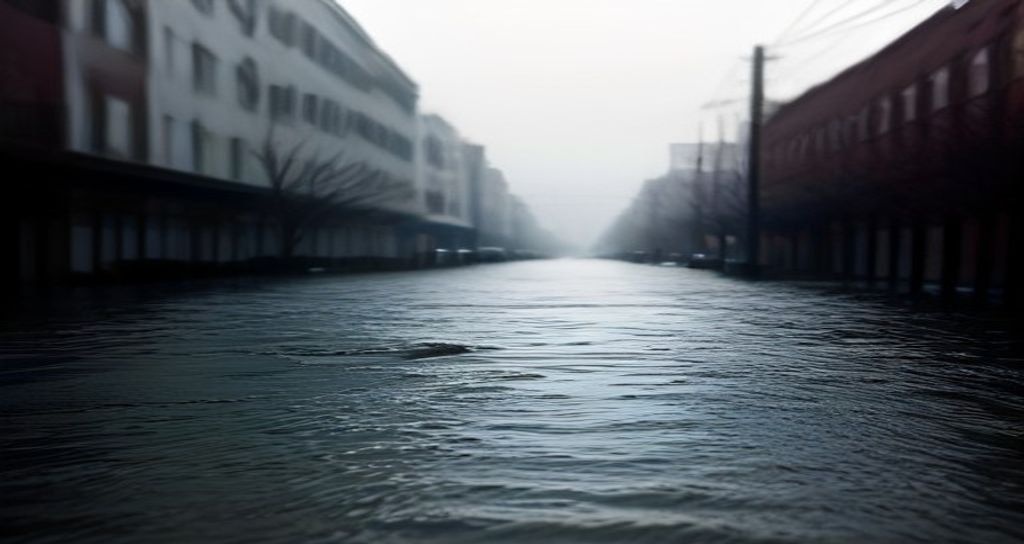
- Residents captured startling footage of what appeared to be a shark navigating a submerged roadway.
- According to reporting from USA Today, officials caution that severe weather and high tides can push marine life far inland.
New Jersey residents bracing for the impact of a severe nor’easter experienced a surreal moment when stormy weather brought an unexpected marine visitor directly into a neighborhood roadway. As heavy precipitation and tidal surges combined to inundate coastal infrastructure, astonished onlookers witnessed what appeared to be a shark swimming through the flooded asphalt.
Initial dispatches from USA Today highlighted the viral footage that quickly captured widespread public attention. While dramatic imagery of urban flooding is a common hazard during intense seasonal storms, the presence of a marine predator navigating residential thoroughfares added an extraordinary layer of shock to an already dangerous weather event.
Understanding Coastal Flooding and Marine Wildlife Hazards
Storm surges driven by powerful nor’easters dramatically alter coastal ecosystems within a matter of hours. As ocean waters spill past traditional shorelines, tidal inlets, and drainage systems, they submerge streets, parking lots, and low-lying coastal neighborhoods under feet of water. For marine species inhabiting local bays and estuaries, these rapidly expanding aquatic highways can inadvertently guide them far beyond their natural habitats.
Local environmental experts and municipal safety officials emphasize that while such incidents are rare, they are entirely plausible during catastrophic weather events. Rapidly rising tides create seamless pathways between open marine environments and urban infrastructure, leaving marine life temporarily disoriented in unfamiliar surroundings.
Public Safety and Environmental Guidance
Emergency management teams across the Garden State have repeatedly warned citizens to avoid walking or driving through standing floodwaters. Beyond the hidden structural hazards, deep currents, and debris typical of severe storm surges, the unexpected presence of wildlife serves as an additional reminder of the unpredictable dangers associated with severe coastal flooding.
As recovery efforts get underway and floodwaters gradually recede, wildlife agencies continue to monitor affected areas to ensure both public safety and the humane handling of any disoriented marine animals stranded by the receding storm.
Frequently Asked Questions
How common is it to see marine life in flooded streets during a nor’easter?
While viral moments make national headlines, encountering large marine life on flooded roads is rare. However, severe storm surges can push ocean water and aquatic animals into coastal communities.
What should residents do if they encounter wildlife in floodwaters?
Residents should maintain a safe distance, avoid attempting to interact with or rescue wild animals independently, and report the sighting immediately to local animal control or emergency services.
Leave a Reply