
Key Takeaways
- Municipal council sessions across New Jersey are experiencing unprecedented disruptions, heated arguments, and public outbursts.
- According to political observers speaking with News12 | New Jersey, national political polarization is heavily trickling down to the hyper-local level.
- Local administrators and legal experts are balancing strict public order rules against First Amendment protections for resident participation.
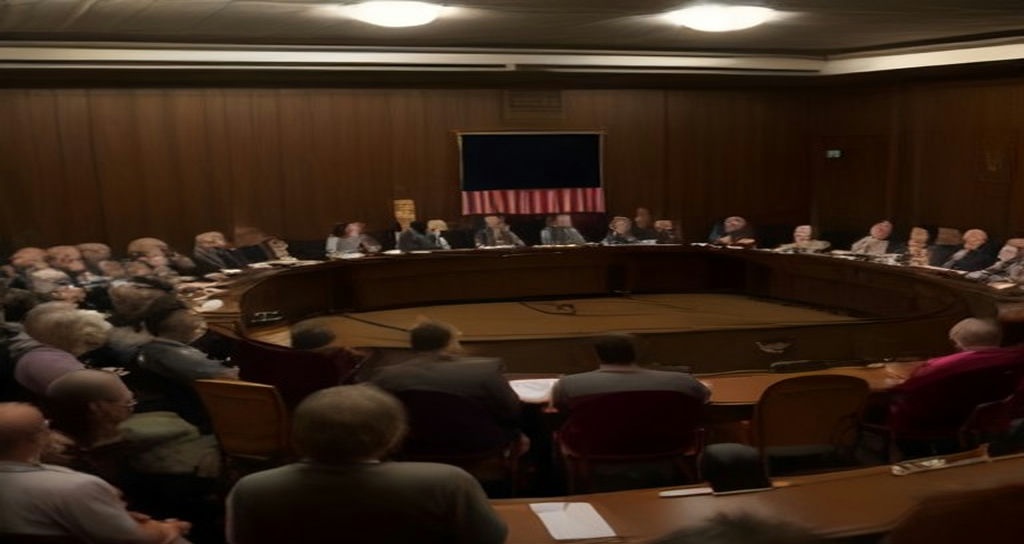
Across the Garden State, municipal chambers that once dealt primarily with mundane municipal ordinances, paving contracts, and routine zoning adjustments have transformed into contentious arenas. In recent months, town council proceedings from suburban enclaves to urban hubs have faced high-volume clashes, verbal altercations, and frequent calls for law enforcement intervention.
According to original reporting from News12 | New Jersey, political analysts are actively examining the structural and social catalysts driving this uptick in volatility during open public forums. Analysts point to a confluence of intense national polarization, hot-button community disputes, and digitally organized public pressure campaigns colliding under the fluorescent lights of local civic chambers.
The Nationalization of Hyper-Local Governance
Historically, local municipal meetings served as pragmatic discussions on public works, property tax assessments, and emergency service budgets. However, as political analysts highlighted in discussions with News12 | New Jersey, the sharp divisions observed in Washington and state capitals have effectively permeated neighborhood town halls.
Experts observe that disputes over housing mandates, local library collections, municipal spending, and community redevelopment projects frequently trigger wider ideological debates. Residents increasingly arrive at podiums armed with talking points sharpened on social media networks, treating three-minute public comment segments as viral performance opportunities rather than constructive civic dialogue.
The Role of Digital Platforms in Fueling Discontent
Social networks and community messaging forums have exacerbated these confrontations. Before an agenda item is even formally debated, online groups often amplify selective portions of draft ordinances, drawing large, impassioned crowds to municipal buildings. Analysts note that when individuals view local decisions through an existential political lens, civil discourse quickly disintegrates into shouting matches.
Balancing First Amendment Rights and Public Order
The recent disruptions present a delicate legal dilemma for New Jersey mayors and council presidents. While the New Jersey Open Public Meetings Act and the First Amendment protect the constitutional rights of constituents to petition their local representatives, governing bodies maintain the authority to manage meeting decorum and enforce orderly procedures.
In response to heightened tensions, several municipalities have reassessed their standard operating procedures. Adjustments include:
- Enforcing strict two-to-three-minute timers on public remarks to prevent filibustering.
- Positioning uniformed municipal police officers inside council chambers to discourage physical altercations.
- Adopting explicit codes of conduct prohibiting personal insults, profanity, and disruptive gestures directed at public officials or neighboring attendees.
However, civil liberties advocates caution that local leaders must avoid applying decorum standards selectively. Shutting down speakers solely due to critical opinions or adversarial language can invite costly legal challenges under federal civil rights statutes.
Pathways Toward De-escalation
Political observers emphasize that municipal governments cannot simply suppress public frustration without providing legitimate, transparent avenues for constituent engagement. Moving forward, analysts recommend town halls incorporate dedicated informational workshops, digital feedback portals, and community roundtables outside formal voting sessions to diffuse public anxiety before it reaches a boiling point.
Frequently Asked Questions
Can a New Jersey town council legally remove a resident from a public meeting?
Yes. While public bodies cannot remove an individual based solely on their viewpoint or critical remarks, presiding officials have the legal authority to eject any person who causes actual physical disruption, refuses to yield the floor after their time limit expires, or prevents the council from conducting scheduled business.
Why are local issues generating more conflict now than in previous years?
Analysts identify several contributing factors: economic stress surrounding property taxes and cost of living, rapid suburban development, the influence of hyper-partisan social media discourse, and a broader national erosion of public trust in democratic institutions.
Leave a Reply