
Key Takeaways
- A worker has died after being struck by a commercial vehicle in a New Jersey commercial parking facility.
- Emergency responders dispatched to the scene confirmed fatal injuries shortly after arriving.
- Local law enforcement and workplace safety officials have opened an active investigation into the circumstances surrounding the incident.
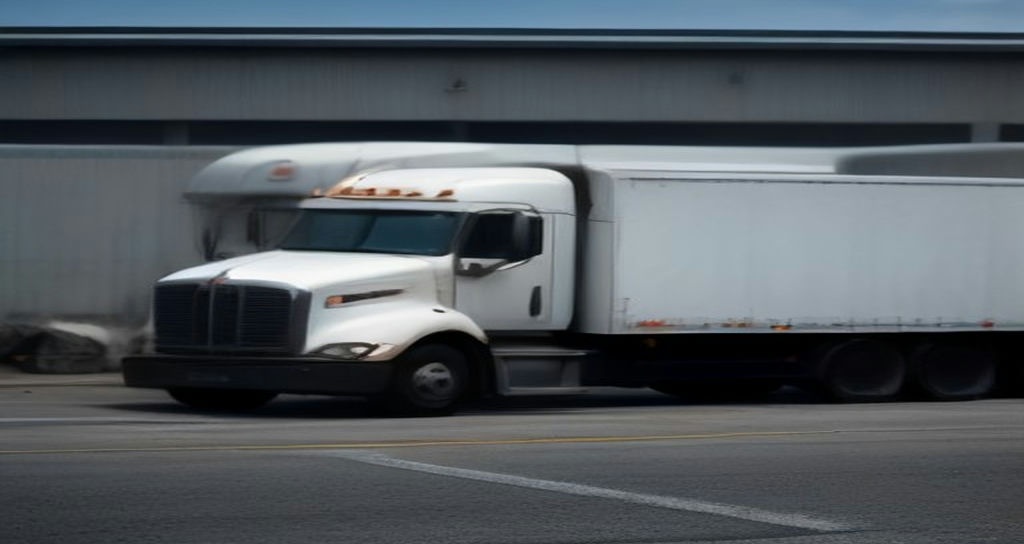
A fatal workplace tragedy unfolded in New Jersey after an employee was struck and killed by a commercial vehicle operating within a facility parking lot, according to initial incident reporting from NJ.com.
First responders arrived promptly following 911 calls alerting dispatchers to a critical pedestrian collision involving heavy machinery. Despite immediate attempts to administer lifesaving care, emergency medical technicians pronounced the worker deceased at the scene due to catastrophic trauma sustained during the impact.
Investigation Launched into Commercial Facility Incident
Local law enforcement personnel secured the perimeter around the commercial lot to permit specialized accident reconstruction investigators to document vehicle trajectory, sightlines, and impact markings. As confirmed in coverage by NJ.com, investigators are examining vehicle operations, driver visibility, and whether the vehicle was actively backing up or navigating an active transit corridor at the moment of the strike.
Given that the fatality occurred within a commercial worksite, the federal Occupational Safety and Health Administration (OSHA) is expected to review the site’s environmental conditions, driver certifications, traffic management plans, and overall compliance with industrial pedestrian safety mandates.
Heightened Focus on Industrial Parking Lot Safety
Commercial loading yards, logistics staging grounds, and distribution parking areas consistently rank among the most hazardous environments for ground personnel. According to data monitored by regional industrial safety boards, industrial vehicle blind spots remain an acute risk factor, particularly when large transport units maneuver in close proximity to pedestrian workers on foot.
Safety specialists frequently emphasize that commercial vehicles – especially multi-axle freight trucks, yard jockeys, and delivery flatbeds – possess massive blind zones along their rear and passenger sides. When combined with ambient machinery noise, adverse lighting, or inadequate physical separation between walking lanes and transport lanes, risk levels escalate dramatically.
Broader Workplace Fatality Context in New Jersey
Workplace-related vehicular incidents remain a persistent priority for New Jersey labor monitors. State and federal agencies routinely urge commercial operators to deploy stringent risk-mitigation measures, including mandatory high-visibility retroreflective apparel for all yard personnel, proximity sensor technologies, auditable spotter protocols for reversing maneuvers, and dedicated pedestrian walkways shielded by physical barriers.
Officials have not publicly released the identity of the deceased worker pending full notification of immediate family members. Further statements detailing potential administrative citations or formal findings are anticipated once investigative teams conclude mechanical inspections and witness interviews.
Frequently Asked Questions
Who investigates workplace vehicular fatalities in New Jersey?
Workplace fatalities involving commercial equipment or vehicles are typically handled concurrently by local municipal police departments, county prosecutor collision units, and the federal Occupational Safety and Health Administration (OSHA) to determine both statutory compliance and potential safety violations.
What regulations govern pedestrian safety in commercial parking lots?
OSHA standards require employers to maintain workplaces free from recognized hazards likely to cause death or serious injury. In commercial vehicle yards, this includes establishing designated pedestrian pathways, ensuring functional vehicle warning systems such as backup alarms, enforcing high-visibility gear, and training equipment operators to maintain full situational awareness.
Leave a Reply